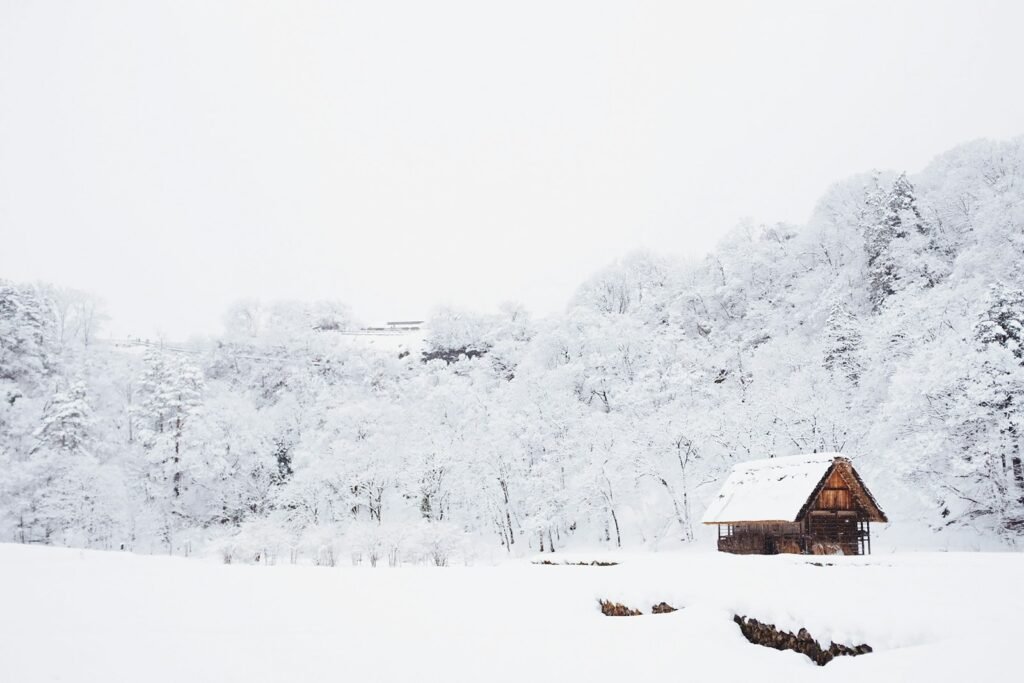
November is when Midwesterners start side-eyeing the forecast and Southerners discover ice is not a personality trait.
Emergency managers and Ready.gov/FEMA guidance still rhyme every year: winter storms bring outages, unsafe roads, and the kind of cold that turns “we’ll figure it out” into a bad plan. A local Otter Tail County tip sheet circulating this month even titled the vibe Thankful I Am Prepared—because Thanksgiving week is a terrible time to learn your flashlight needs three AAAs you don’t own.
This isn’t bunker cosplay. It’s a 72-hour comfort kit so a multi-day outage is miserable instead of dangerous.
The boring kit that actually works
- Water: about 1 gallon per person per day (more if you have pets or medical needs).
- Food: no-cook or low-cook options—peanut butter, tuna packets, granola, fruit cups, canned meals + manual can opener.
- Light: flashlights/lanterns + spare batteries. Skip candle forests if you can.
- Power: charged power banks, car charger, spare phone cable.
- Warmth: blankets, sleeping bags, warm layers, hats, gloves, hand warmers.
- Health: week of meds, first-aid, glasses/contacts, baby/pet supplies.
- Info: battery or hand-crank NOAA weather radio; written list of key phone numbers.
- Cash + docs: small cash; copies of IDs/insurance in a zipper bag.
My picks
If you want specific gear instead of a scavenger hunt at the big-box store, these are solid starting points. Some links are affiliate links, and I may earn a commission at no extra cost to you. As an Amazon Associate I earn from qualifying purchases. Full affiliate disclosure. Check price on Amazon:
- Water storage: Reliance Aqua-Tainer 7-gallon
- Water filter: Sawyer Squeeze SP129
- Weather radio: Midland ER10VP (alerts + flashlight)
- Power station: Jackery Explorer 300
- Lantern: Glocusent rechargeable camping lantern
- Hands-free light: Blukar rechargeable headlamp
- Fire starter: bayite ferro rod + striker kit
Add rock salt, a working shovel, and shoes with grip. Ice is undefeated against stylish sneakers.
Home and heat without becoming a headline
Charge phones and power banks when a Winter Storm Watch appears—not after the outage toast notification. Know how to manually open your garage if the opener dies.
Generators and grills stay outdoors—never in the house, basement, or attached garage. Carbon monoxide is invisible and uninterested in your excuses. Put fresh batteries in smoke and CO alarms now.
Close off unused rooms to keep heat in the living area. Layer people, not just space heaters. If pipes are at risk, drip faucets and know where the main shutoff is.

Cars and plans
Keep the tank at least half full in storm season. Stash a car kit: blanket, water, snacks, flashlight, scraper, small shovel, traction aid (sand/kitty litter), jumper cables, and a charged cable.
Text your “if the power dies” plan to family: where you’ll sleep, who checks on Grandma, where the pet carriers live. Schools and offices cancel fast—have a childcare backup that isn’t vibes.
Why it matters to you
Outages hit hardest on kids, older adults, and anyone on powered medical devices. Prep is kindness with a checklist.
Buying batteries before the storm costs normal prices. Buying them during the storm costs dignity.
What you can do
- Build or refresh a 72-hour kit this weekend.
- Test smoke and CO alarms; replace batteries.
- Charge power banks; print key phone numbers.
- Decide generator rules before anyone gets creative.
- Sign up for local emergency alerts and know Watch vs Warning.
Source links
- FEMA winter storm prep steps: https://www.fema.gov/blog/4-steps-prepare-winter-storm-brings-dangerous-freezing-rain-and-snow-south-midwest-and
- National Weather Service: before winter storms: https://www.weather.gov/safety/winter-before
- Ready.gov winter guidance: https://www.ready.gov/winter-weather
Pages of Wisdom — plain-English news for real life.


More Stories
Stay Warm Without Getting Poisoned: Safe Heat During Winter Outages