
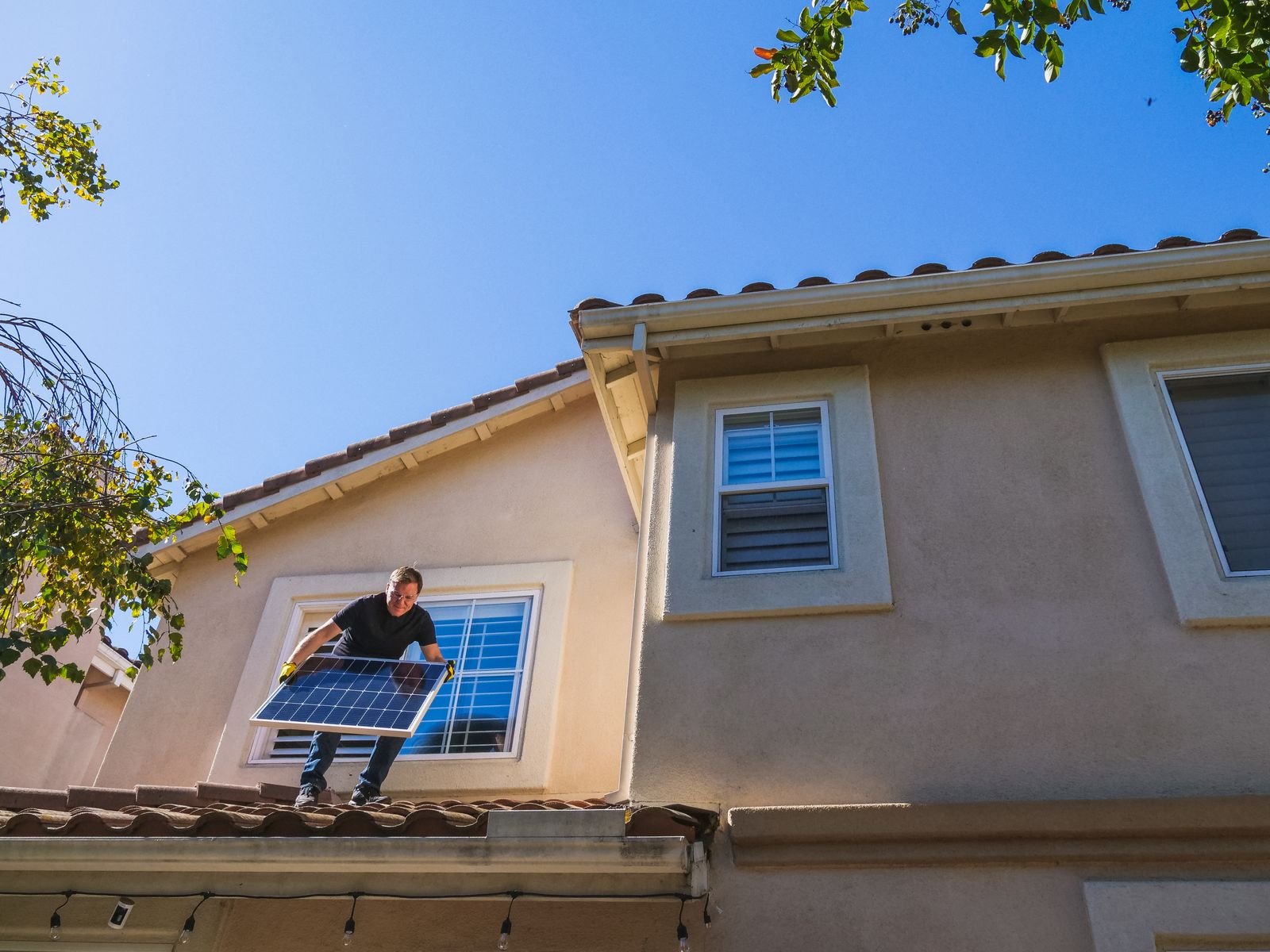
Rooftop solar is one path—Solar for All also funded community solar for households that cannot buy a full system. Photo: Pexels.
Your electric bill does not care that you already switched to LED bulbs and yell at the kids about leaving the porch light on. Across the U.S., power costs keep climbing—and for a lot of households, the “fix” is not another coupon code. It is whether a paused federal solar program ever gets moving again.
On November 5, 2026, former EPA officials at the Environmental Protection Network (EPN) released an analysis arguing that promptly restarting the $7 billion Solar for All program could help about 1 million households cut electric bills by roughly 25%. Their modeling puts first-year savings around $458 million, or about $456 per household. Two federal courts already said EPA’s August 2025 shutdown was unlawful. The catch: the program is still not restarted, and EPA’s window to appeal those rulings closes in mid-November 2026.
This is not a promise that panels show up on your roof next Tuesday. It is a wallet story about a big public program stuck between court wins, a possible appeal, and a hard tax-credit calendar.
What’s actually stuck
Solar for All was a competitive grant program created under the Inflation Reduction Act’s Greenhouse Gas Reduction Fund. States, tribes, and nonprofits won awards to expand solar access for low- and moderate-income households, including community solar projects and tribal communities—people who often cannot write a five-figure check for a rooftop install.
EPA terminated the grants in August 2025. Grantees sued. On September 18, a federal judge in Rhode Island ruled the termination unlawful. On September 22, a D.C. federal judge reached a similar conclusion in a separate case. Columbia’s Climate Law Blog later summarized the shared punchline: EPA’s program-wide shutdown did not hold up in court.
That sounds like “restart already.” Real life is messier. A WBUR report on November 6 notes Massachusetts’s $156 million Solar for All award is still in limbo. The Healey administration has said the state program could cut energy costs about 20% for roughly 31,000 low-income and disadvantaged homes—if the money actually flows. EPA told WBUR it is “reviewing the decision and considering options for appeal.”
So: courts ruled. Money is not automatically back online. Mid-November is the fork.

Why mid-November (and Dec 2027) matter
EPN’s brief is blunt about delay. If legal fights push a real restart past the December 31, 2027 commercial solar tax-credit deadline, the same $7 billion would stretch much thinner. EPN estimates about 410,000 households could be left out—because without the tax credit stacked on the grant, each project needs more public money to pencil out.
Think of it like a bakery coupon that expires. The flour is still in the truck (the grant dollars), but if the coupon dies before the ovens turn on, you bake fewer loaves with the same budget. Families who still get in may save about 25%, EPN says—but far fewer families get in.
That is why “we’ll appeal and sort it out later” is not a free pause button. Calendar math eats households.
Why it matters to you
Even if you never heard of Solar for All until this paragraph, the cost-of-living math is familiar:
- Bills are up. Coverage citing a Joint Economic Committee (Democrats) analysis says the average annual U.S. electric bill rose about $110, or 6.4%, last year.
- People are already cutting food for power. Consumer Reports numbers cited in Common Dreams’ coverage: about 1 in 5 families skimping on groceries to pay power bills, and roughly 21.5 million households behind on energy bills.
- This program was aimed at bill relief, not hobby solar. It targeted lower-income, community, and tribal households—the folks least able to float a private install while rates climb.
- Your state may already have a grant on ice. Massachusetts is one visible example ($156M). Other states and nonprofits won awards too; the national pause hits many zip codes at once.
If your utility bill feels like a second rent payment, you do not need a law degree to care whether a court-ordered restart actually happens—or gets appealed into a longer stall.
Who this program was for (and who it was not)
Solar for All was never “free Tesla Powerwalls for everyone who wants one.” It was designed to bring solar savings to households that usually get skipped:
- Renters and homeowners who cannot finance a full rooftop system
- Community solar subscribers who share a larger array and take a bill credit
- Tribal communities (EPN’s brief discusses tens of thousands of tribal households in the modeled reach)
- Low- and moderate-income neighborhoods where energy burden already eats groceries
If you are middle-income and shopping a private rooftop quote, this story still matters—rates and grid costs affect everyone—but do not read EPN’s “~25%” as your personal guaranteed discount. That figure is their modeled average for households the restarted program would serve.
Also stay clear-eyed: EPA may still appeal. Even if it does not, restarting grants means work plans, staffing, procurement, and install timelines. Courts saying “unlawful termination” is not the same as panels already humming on day one.
What you can do while Washington argues
You cannot personally restart a federal grant program from your kitchen table. You can stop waiting in a helpless shrug:
- Check state and local solar assistance. Search your state energy office, housing agency, or “Solar for All” + your state. Some grantees (nonprofits, utilities, tribes) still have public pages explaining what they planned to offer if funds return.
- Ask your utility about hardship and bill-discount programs. Many have income-based rates, arrearage forgiveness, or budget billing. Boring paperwork beats unpaid-balance panic.
- Look at LIHEAP and weatherization. The Low Income Home Energy Assistance Program and related weatherization funds will not install a solar farm, but they can blunt a brutal winter bill while bigger programs crawl.
- Community solar waitlists. In states that allow it, community solar can deliver bill credits without owning a roof. Ask what happens to local projects if federal grants restart—or what non-federal options exist now.
- Watch the mid-November appeal news, not influencer hype. If EPA appeals, timelines stretch. If it drops the appeal and restarts, grantees still need months to mobilize. Either way, treat “you’re approved for free panels!” cold calls like the raccoon-in-a-tuxedo they usually are.
Practical rule: verify programs through official state, tribal, or utility sites—not a Facebook ad that somehow knows your electric account number.
The boring-but-true bottom line
Former EPA officials at EPN say a prompt Solar for All restart could help about a million households cut electric bills by roughly a quarter, with about $458 million in first-year savings. Two federal courts ruled the August 2025 termination unlawful. EPA is still deciding whether to appeal before mid-November. Delay past the late-2027 tax-credit cliff, EPN warns, could shut out roughly 410,000 households.
Your move is not to refresh a tracking number for panels you were never promised. It is to use the tools that exist today—hardship programs, LIHEAP, state solar offices, community solar—while keeping an eye on whether this $7 billion program actually comes back from limbo.
Want more plain-English solar reality checks (not press-release fairy dust)? I post them on YouTube.
Sources
- Environmental Protection Network — New Analysis: Restarting Solar for All Could Cut Electric Bills 25% for a Million Households (Nov. 5, 2026)
- WBUR — $156 million for Mass. solar projects in limbo after courts say EPA illegally withheld funds (Nov. 6, 2026)
- Common Dreams — Reviving Solar for All Could Save US Families Over $450 Million in the First Year (Nov. 5, 2026)
- Columbia Climate Law Blog — Two Courts, One Conclusion: EPA Unlawfully Terminated Solar for All (Oct. 12, 2026)

More Stories
Solar Install Math Cheat Sheet: Series vs Parallel, the 1.25 Factor, Bifacial Gain, and Fridge Runtime
Grid-Tie Solar Inverter Pros and Cons: When Simple Solar Wins (and When It Doesn’t)
Off-Grid Solar Inverter Pros and Cons: Who It’s For, Batteries Over 15 kWh, and 120V vs 240V