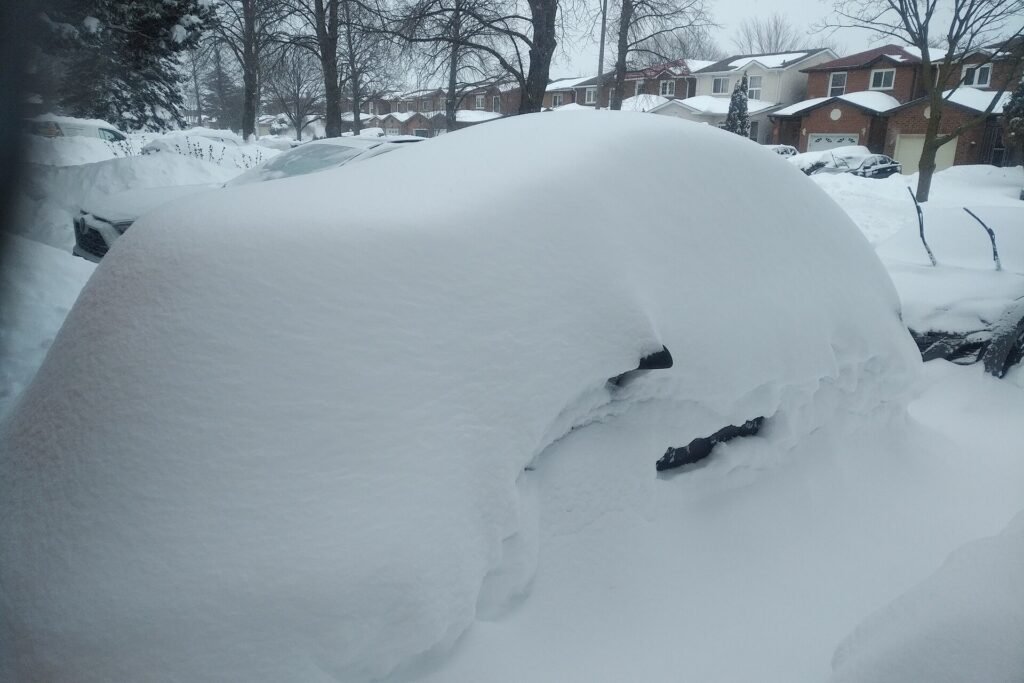
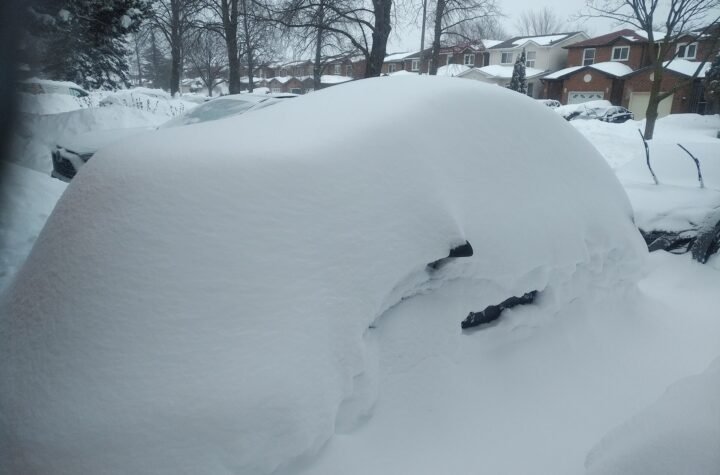
When a storm buries your car, the right brush and scraper turn a long dig-out into a quick chore. Photo: Gregory Karastergios, via Wikimedia Commons (CC0 public domain).
Right now, a lot of us are driving around with the same winter emergency kit: a half-empty bottle of washer fluid, one glove, and a gas station receipt from August. That works great until the first real cold snap shows up. And one is showing up this week.
Forecasters at weather.com say daytime highs will drop about 20 degrees between Wednesday and Friday, all the way from Chicago to Atlanta. A nor’easter is expected to spin up off the East Coast Thursday night into Friday, bringing soaking rain, gusty winds, and the first snow of the season for the mountains of northern New England, upstate New York, and the Appalachians. FOX Weather says more than 160 million Americans could see below-average temperatures by Saturday.
Most big cities along I-95 will likely get rain instead of snow this time. But this is the storm that kicks off the season, and the best time to build a car kit is before you need one, not while you’re stuck on the shoulder Googling “how long can a person survive on one breath mint.” Here’s what to pack, what to check, and what to do if you get stranded, in plain English.
What’s coming this week, in plain English
Here’s the short version of the forecast, based on weather.com’s November 11 update and FOX Weather’s outlook:
- Wednesday: A storm system moves across the Midwest and Ohio Valley, bringing rain from Georgia up to Michigan.
- Thursday night into Friday: A new low forms off the East Coast and becomes a nor’easter (that just means a storm off the coast pushing winds in from the northeast). Expect rain near the coast, wet snow inland and in the mountains, strong wind gusts, and possible coastal flooding at high tide from North Carolina’s Outer Banks to New England.
- The weekend: The storm moves off, and the cold settles in. FOX Weather says afternoon temperatures will stay in the 30s for more than 110 million people in the Northeast and nearby, and weather.com says lows could reach the 30s as far south as the Florida Panhandle.
If you’re in the Midwest or South, you may not see a flake. But that sudden drop in temperature is the real story for your car, because cold is hard on batteries and tires, even on a sunny day.
Why the cold picks on your car first
Your car battery is basically a little chemistry set, and chemistry gets lazy in the cold. The AAA Automotive Research Center says that at 32 degrees, a car battery loses about 35 percent of its strength. At 0 degrees, it loses about 60 percent. Meanwhile, a cold engine can need up to twice as much power to start. So the battery is weaker at the exact moment the job gets harder. That’s why the “click-click-nothing” morning tends to arrive on the first truly cold day.
AAA says the average car battery lasts three to five years. If yours is older than three, or your headlights look dim and yellowish, or the engine has been cranking slowly, get it tested this week by your mechanic, or by AAA if you’re a member.
Tires feel the cold too. The National Highway Traffic Safety Administration (NHTSA) notes that tire pressure drops as the temperature drops, which is why your dashboard tire light loves to pop on during the first frosty morning. NHTSA’s tip: fill your tires to the number on the sticker inside the driver’s door frame, not the number printed on the tire itself. The one on the tire is the maximum the tire can hold, not what your car needs.
And this matters, because winter roads are no joke. NHTSA counts an estimated 131,698 police-reported crashes in snow or sleet conditions in 2024 alone.
The winter car emergency kit checklist
This list combines the advice from NHTSA and Ready.gov, the government’s emergency preparedness site. Most of it is stuff you already own. Toss it in a plastic tote or an old duffel bag, and keep it in the trunk until spring.
- Snow brush, ice scraper, and a small shovel. You can’t drive safely if you can’t see, and a buried tire won’t dig itself out.
- Something for traction. A bag of sand or cheap kitty litter. Pour it under your drive wheels if you’re spinning on ice.
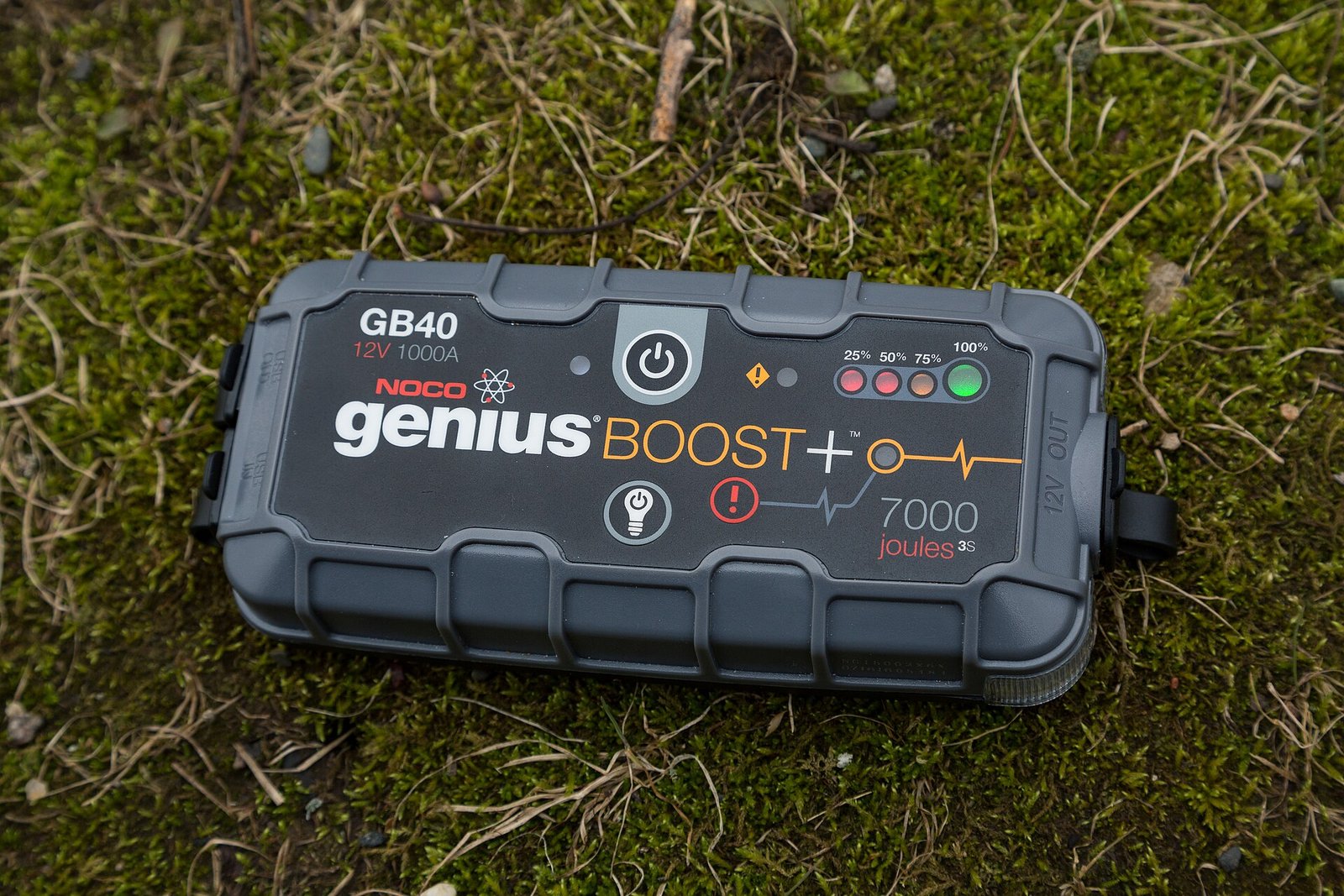
- Jumper cables or a portable jump starter. Cables need a second car and a kind stranger. A jump starter only needs you.
- Flashlight with spare batteries, plus flares or reflective warning triangles so other drivers can see you.
- Warm stuff: blankets, a hat, gloves, and dry socks. If you commute in office clothes, this is the most important line on the list.
- Water and non-perishable snacks. Granola bars, nuts, crackers. Anything that won’t turn into a brick or a science experiment.
- First aid kit and any medicines you need daily.
- Phone charger or a charged power bank. A dead phone turns a minor delay into a real problem.
- A bright cloth or marker to tie to your antenna or window so rescuers can spot you.
Bonus points: keep your gas tank close to full in winter, which NHTSA recommends. It means you can run the heater longer if you’re stuck, and it keeps you from making a desperate run to the gas station in a storm. If you drive an electric car, NHTSA suggests plugging it in overnight when it’s freezing, since cold batteries hold and deliver less energy.
Your 15-minute car check before the cold hits
You don’t need to be a car person for this. Grab a coffee and walk around your car once:
- Battery: If it’s more than three years old or starting slow, get it tested this week.
- Tires: Check the pressure against the door-frame sticker. Then try NHTSA’s penny test: put a penny in the tread with Lincoln’s head upside down. If you can see the top of his head, it’s time for new tires.
- Wipers and washer fluid: Replace streaky blades and fill up with winter fluid that has de-icer in it. A single snowstorm can drain a reservoir fast.
- Lights: Make sure headlights, brake lights, and turn signals all work. In a whiteout, being seen matters as much as seeing.
- Recalls: NHTSA’s free recall lookup at nhtsa.gov lets you check your car by VIN or license plate. It takes about a minute.
If you get stuck: what to actually do
Ready.gov’s advice is clear: if you’re trapped in your car during a winter storm, stay inside. Walking off into blowing snow to find help is how a bad day becomes a tragedy. Your car is shelter, and it’s much easier for rescuers to find than you are.
- Stay with the car and don’t wear yourself out digging. Shoveling heavy snow is hard on the heart, and Ready.gov specifically warns about overexertion.
- Make yourself visible. Tie that bright cloth to the antenna or window, and NHTSA suggests keeping the dome light on.
- Clear the tailpipe before running the engine. A blocked exhaust can push carbon monoxide into the car. Run the engine only in short bursts, just long enough to warm up, and don’t sit with it running for long stretches with the windows sealed up.
- Layer up and stay dry. Wet clothes pull heat from your body fast.
- Know the danger signs. Ready.gov lists shivering, exhaustion, confusion, fumbling hands, slurred speech, and drowsiness as signs of hypothermia. A body temperature below 95 degrees is an emergency.
Carbon monoxide is the sneaky one. You can’t see it or smell it. We covered the home version of this danger in our guide to staying warm safely during winter outages, and the same rule applies in a car: fresh air in, exhaust out.
One more for the parents: NHTSA says bulky winter coats can keep car seat straps from fitting snugly. Buckle kids in wearing thin, warm layers, then put the coat or a blanket over them once the harness is snug.
Why it matters to you
Nobody plans to get stranded. It happens because of a dead battery in a parking lot after work, a slide into a snowy ditch, or a highway that turns into a parking lot for three hours. In each case, the people who have a dull, boring tote in the trunk spend the time warm, fed, and annoyed. The people who don’t spend it cold, hungry, and very annoyed.
It’s also a money thing. A tow or a roadside service call for a dead battery can eat up a chunk of your week’s budget, and a jump starter can save you from that more than once. And knowing your tire pressure and tread are right helps you stop shorter on slick roads, which is the cheapest crash insurance there is.
If you’re already prepping the house, our no-drama home outage guide and our post on keeping your pipes from bursting pair nicely with this one. Do the car kit this week, while the storm is still a forecast and not a headline.
What I’d grab
You can build most of this kit from your closet and pantry. These three are the ones worth buying, because they solve the most common winter car problems:
- NOCO Boost GB40 portable jump starter: restarts a dead battery on its own, no second car or helpful stranger required, and doubles as a flashlight and USB charger.
- Snow MOOver 39-inch extendable snow brush and ice scraper: reaches the middle of the windshield and roof without you leaning against a salty car in your good coat.
- AstroAI portable tire inflator: plugs into your car’s 12-volt outlet so you can top off tires that lost pressure in the cold, right in your driveway.
As an Amazon Associate I earn from qualifying purchases.
Got a winter car trick I missed? Share it on the Contact Us page, and I may add it to the list.
Want the 60-second version of stories like this? Check out my daily shorts on YouTube.
Sources
- weather.com: A nor’easter will bring rain, snow, winds later this week (updated Nov. 11, 2026)
- FOX Weather: Potential for nor’easter increasing, could bring first snow to millions (updated Nov. 10, 2026)
- NHTSA: Winter Weather Driving Tips
- Ready.gov: Winter Weather
- AAA: Temperatures Are Dropping and So Is Your Car Battery’s Power




More Stories
The First Big Freeze Is Coming This Week. Here’s How to Keep Your Pipes From Bursting
Stay Warm Without Getting Poisoned: Safe Heat During Winter Outages
Winter Storm Season Is Here: A No-Drama Home Outage Prep Guide