When the power drops, you want boring gear and a plan that works, not a shopping panic at midnight. This page pulls together everything we have written about getting through winter storms and multi-day blackouts, plus the short list of gear we think is worth owning. Plain English, no bunker cosplay.
Start here: the guides
- Winter outage prep guide: the 72-hour kit, what Watch and Warning mean, keeping food safe, and protecting the house.
- Safe heat during winter outages: carbon monoxide alarms, generator placement, and why you should never backfeed your house.
- Space heater safety: five rules and a recall to check before the first freeze.
- The 15-minute generator checkup: what to look at before storm season, including recalls.
- Keep your pipes from bursting: what to do before, during and after a hard freeze.
- The winter car emergency kit: what to keep in the car in case you get stuck.
- Shrink your heating bill: low-cost ways to stay warm and spend less.
- Food safety when the power goes out: how long the fridge and freezer stay safe, holiday edition.
- Power stations and emergency power modes: what a portable power station can and cannot do.
- A 10-minute flood plan: for homes in the path of heavy rain.
The gear we think is worth owning
You do not need to buy anything to be prepared. Most of a good outage plan is water, light, warmth and charged batteries you may already have. If you are filling gaps, these are the items we explain in the guides above, and why. Some links are affiliate links: as an Amazon Associate I earn from qualifying purchases, at no extra cost to you. See our Affiliate Disclosure.
Water
Reliance Aqua-Tainer 7-gallon. Plan on about a gallon of water per person per day. A rigid, refillable jug with a spigot is easier to store and pour than a pile of small bottles. Rinse and refill it every six months or so. If you are on a well, this matters even more, because no power usually means no well pump.
Light and alerts
Blukar rechargeable headlamp and Glocusent rechargeable camping lantern. A headlamp keeps both hands free for cooking, checking the breaker box or carrying firewood, and a lantern lights a whole room. Both are far safer than candles. Charge them as soon as a storm watch is issued.
Midland ER10VP weather radio. When the internet and cell towers are struggling, a NOAA weather radio still gets alerts and updates. This one also has a built-in flashlight for storm nights.
Power
Jackery Explorer 300. A small portable power station can keep phones, lights, a CPAP or a router running through a short outage, and it is safe to use indoors because it has no engine. It will not run a whole house or a space heater for long. Our post on power station emergency modes explains what to expect.
Safety
First Alert CO606 carbon monoxide alarm. If you will use a generator, a fuel-burning heater or a fireplace during an outage, a CO alarm on every level of the home and near the bedrooms is required equipment, not an extra. This one plugs into an outlet and has a battery backup for when the power is out. Read our safe heat guide for placement tips.
Our own setup
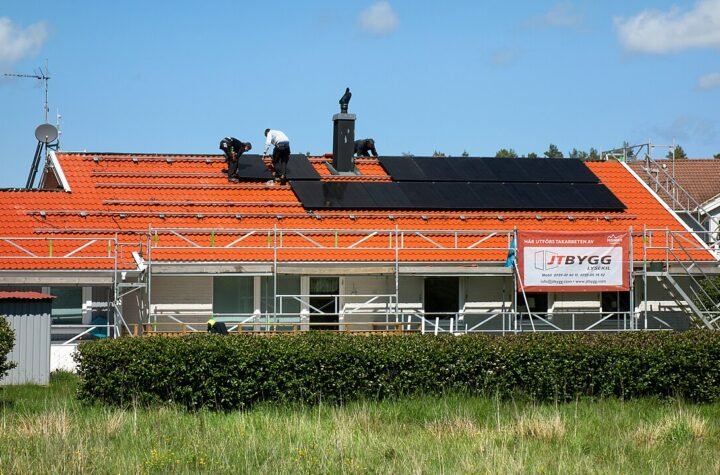
Our home runs on an EG4 off-grid solar system we have lived with for about two years here in Mountain Grove, Missouri. If you are thinking about solar as part of your outage plan, start with how our solar journey began and our DIY install from start to finish, then visit our DIY Solar Toolkit.
Prefer video? Catch our walkthroughs on my YouTube channel. Questions? Use the Contact page.