
A sweater and a few degrees lower on the thermostat is the cheapest heating upgrade there is. Illustration: AI-generated image.
There are two kinds of people in every house this time of year: the one who keeps nudging the thermostat up, and the one who walks by and says, “Put on a sweater.” This winter, the sweater person has the numbers on their side.
A new forecast released today, November 11, by the National Energy Assistance Directors Association (NEADA) says the average American household will spend about $1,002 heating their home this winter. That’s up 7.1%, or $66, from last winter. And for the roughly 5 million homes that heat with oil, the bill could jump about 70%, to roughly $2,977 for the season.
NEADA is the group of state officials who run home energy aid programs, so this is the forecast they use to plan who’s going to need help. Below is what’s pushing prices up, who gets hit hardest, and a list of cheap, boring, genuinely effective ways to keep more of that money in your pocket.

What’s going up, and by how much
Not every fuel is moving the same direction. Here’s NEADA’s winter forecast, as reported by the New York Post and The Guardian:
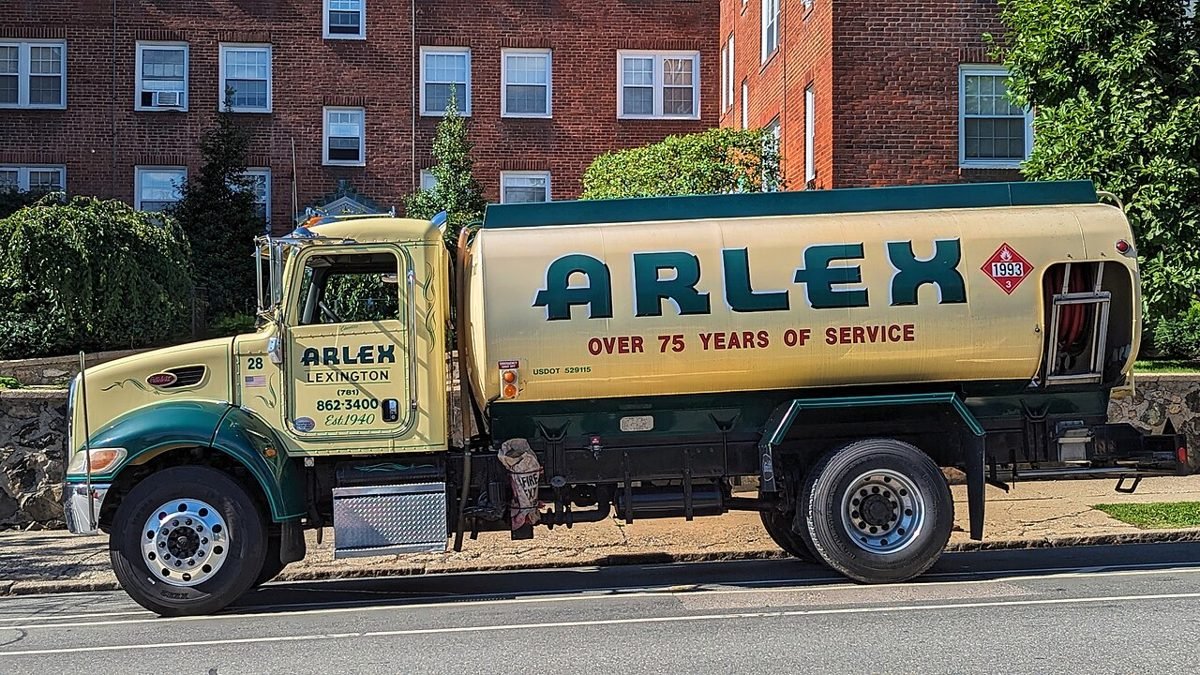
- Heating oil: up about 70%, to around $2,977 for the season (from about $1,749 last winter). This is the big one.
- Electric heat: up about 6%, to roughly $1,215.
- Propane: up about 5%, to around $1,350.
- Natural gas: roughly flat compared to last winter.
- The Northeast overall: average heating bills up 16.9%, or $221, from $1,311 to $1,532.
The federal government’s energy number-crunchers at the U.S. Energy Information Administration (EIA) paint a similar picture in their winter outlook. They expect homes that heat mainly with electricity to see bills about 4% higher, while many natural gas and propane homes could actually pay less, mostly because of lower fuel prices. The exact percentages differ a bit between the two forecasts, but they agree on the headline: electric and oil heat cost more this year, and gas is the lucky one.
Why heating oil is getting hit so hard
In short: the war with Iran. Fuel supplies have tightened as refineries in the Middle East and Russia cut production, and heating oil is basically the same stuff as diesel and jet fuel. When refiners are short, they have to choose what to make, and heating oil competes with everything else that runs on diesel.
The EIA’s weekly numbers show the national average for residential heating oil at $6.14 a gallon in the week ending November 2, down a little from the week before but still about 69% higher than a year ago, according to the Post. Heating oil is mostly found in older homes in the Northeast. Per Census data cited by the Post, about 59% of households in Maine use it, along with 43% in New Hampshire, 40% in Vermont, and 39% in Connecticut.
There is one bit of good news. NEADA actually lowered its overall forecast from 8.7% in late September, because a strong El Niño weather pattern is expected to make the start of winter milder for a lot of the country, according to The Independent. Less cold means less heat burned. But NEADA’s director, Mark Wolfe, warned families not to count on falling oil prices, because the situation in the Strait of Hormuz “remains highly volatile.”
Why it matters to you
Even if $66 doesn’t sound like a crisis, it’s landing on top of everything else. NEADA says about one in six U.S. households is already behind on utility bills, owing roughly $23 billion in total. And a Consumer Reports survey from August, cited by the Post, found that more than a quarter of families had already turned their heat or air conditioning down to uncomfortably low levels to save money.
Here’s the practical takeaway: your heating bill is one of the few big bills you actually have some control over. You can’t renegotiate your car payment by putting on fuzzy socks. You can absolutely shave real money off your heating bill that way, plus a few other cheap tricks.
9 cheap ways to shrink your heating bill this winter
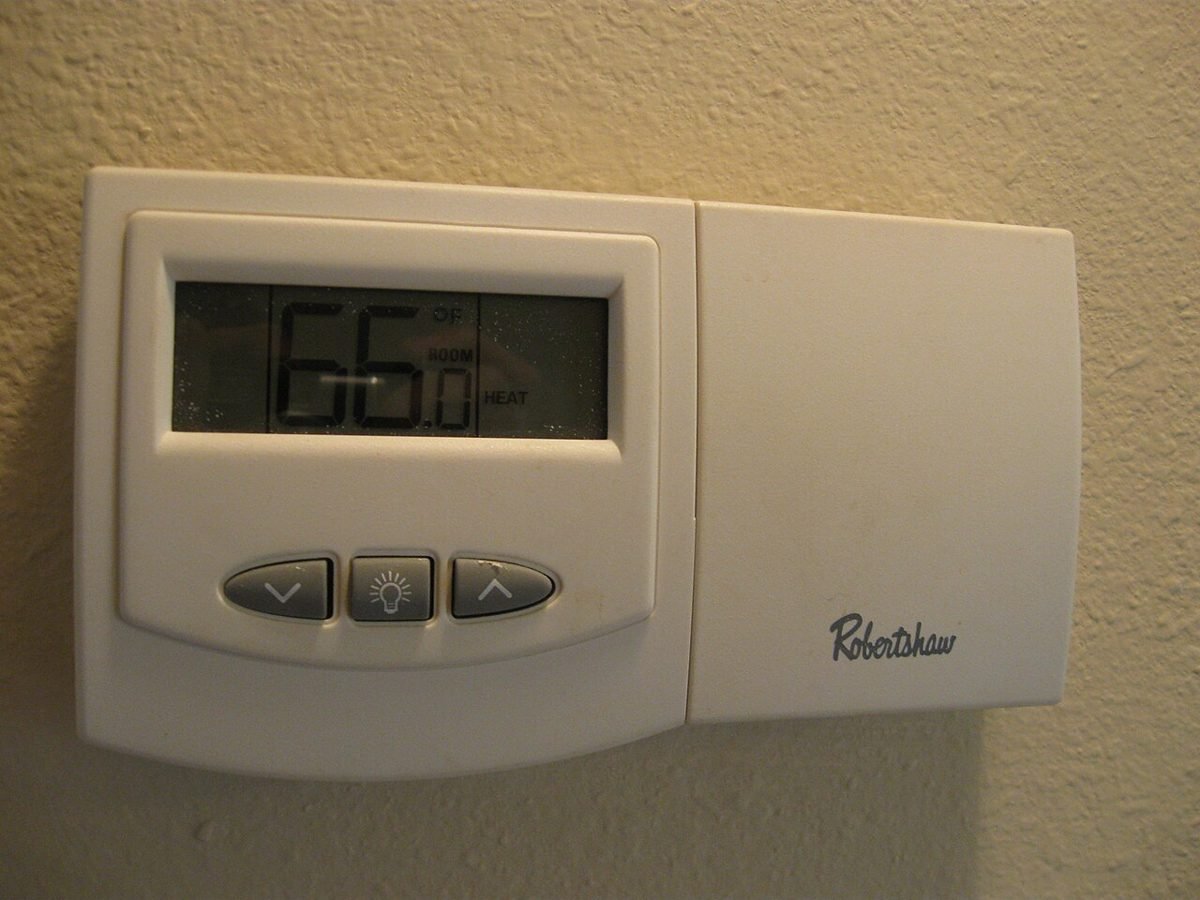
- Turn it down at night and when you’re out. The U.S. Department of Energy says setting your thermostat back 7 to 10 degrees for 8 hours a day, like while you sleep or are at work, can cut as much as 10% a year off your heating bill. The cooler your house, the slower it loses heat, so a lower setting really does burn less fuel.
- Let a programmable or smart thermostat do the remembering. Tip number one only works if you actually do it every day. A thermostat with a schedule handles it for you, so you wake up and come home to a warm house without paying to heat an empty one.
- Seal the drafts. The DOE calls weatherstripping and caulk low-cost ways to stop air leaks. Hold your hand near the bottom of an outside door on a windy night. If you feel a breeze, that’s money leaving. A door sweep or draft stopper fixes it in minutes.
- Give your windows a winter coat. According to the DOE, about 30% of a home’s heating energy is lost through windows. Clear plastic window film blocks a lot of that cold air, and it comes off in spring.
- Use your curtains like a solar panel. Open shades on sunny windows during the day to let free heat in, then close them at night to hold it, another DOE tip.
- Run fans to move the heat around. Many ceiling fans have a reverse switch for winter that gently pushes warm air down from the ceiling. The DOE also suggests fans to spread heat from room to room.
- Steal heat from the kitchen. After you’re done baking, crack the oven door (once it’s off) and let that heat warm the room instead of wasting it. Never use an oven or stove as a heater, though. That’s a fire and carbon monoxide risk. More on that in our safe heat guide.
- Change the furnace filter. A clogged filter makes your system work harder for the same warmth. If you heat with wood or pellets, get the chimney cleaned too.
- Dress like it’s winter, because it is. Layers, slippers, and a good blanket on the couch let you keep the thermostat lower without feeling it. It’s free and it works.
One caution while you’re cutting back: don’t turn the heat so low that pipes freeze. A burst pipe will cost a lot more than you’ll save. Our frozen pipes guide covers the safe minimums.
If the bill is already too much
If you’re worried about paying this winter, there is real help, and it’s worth checking before you fall behind:
- LIHEAP, the federal heating aid program, helps eligible households with heating bills, shutoff prevention, and even furnace repairs. To find where to apply in your state, visit EnergyHelp.us or call the National Energy Assistance Referral line at 1-866-674-6327 on weekdays.
- Call your utility before you miss a payment. Ask whether they offer budget billing, which spreads your bill evenly over the year, or a payment plan. They’re usually much easier to work with before a bill goes overdue.
- Watch for scams. According to the federal LIHEAP office, LIHEAP doesn’t give grants directly to individuals and never charges a fee. If someone calls or texts offering you a “LIHEAP grant” for a fee, it’s a scam. Report it to the HHS fraud hotline at 1-800-447-8477.
What I’d grab
If you want to go beyond sweaters, these are the inexpensive upgrades that line up with the tips above. Nothing fancy, just the stuff that actually keeps heat inside your house.
- Amazon Smart Thermostat: handles the “turn it down at night” job automatically and lets you adjust from your phone. Note that it needs a C-wire, a common thermostat power wire, so check your setup before buying.
- Duck Brand Indoor 5-Window Shrink Film Kit: clear plastic film you tape around the window frame and tighten with a hair dryer. Cheap, renter-friendly, and it peels off in spring.
- Frost King Self-Stick Door Sweep: sticks to the bottom of a door to block that cold breeze. A ten-minute fix for one of the biggest drafts in most homes.
As an Amazon Associate I earn from qualifying purchases.
The long game
Short-term tricks help this winter, but bills like this are also why more people are looking at home batteries, heat pumps, and solar. I run solar at home, and I talk about what it has actually saved me in my two-year solar review on YouTube. It isn’t the right move for every home or budget, but it’s worth a look before the next rate hike rather than after.
The bottom line
Heating costs are going up again, a little for most people and a lot for anyone on heating oil. You can’t control oil markets, but you can turn the thermostat down at night, plug the drafts, put film on drafty windows, and ask for help early if you need it. Those small moves add up, and the sweater person in your house finally gets to say, “I told you so.”
Got a money-saving trick that keeps your house warm for less? Share it with me on the Contact Us page.
Want tips like these in under a minute? Watch my daily tech and home shorts on YouTube.
Sources
- The Guardian: Average US heating bills to rise 7% this winter nationwide (Nov. 11, 2026)
- New York Post: Heating costs will surge this winter, with heating oil prices spiking as much as 70% (Nov. 11, 2026)
- The Independent: Every American will see heating bills rise 7% this winter (Nov. 11, 2026)
- U.S. Energy Information Administration: Short-Term Energy Outlook, Winter Fuels (October 2026)
- U.S. Department of Energy: Six Simple Steps to Save Energy and Money This Winter
- U.S. Administration for Children and Families: Low Income Home Energy Assistance Program (LIHEAP)
- EnergyHelp.us: Where to apply for energy assistance





More Stories
Solar Panels Rarely Start the Fire. The Wiring Behind Them Does. Here’s Your Home Safety Check
Tesla’s Home Battery Will Now Charge Your Non-Tesla EV on Sunshine
Courts Say Restart Solar for All. ~1 Million Power Bills Could Drop ~25%.