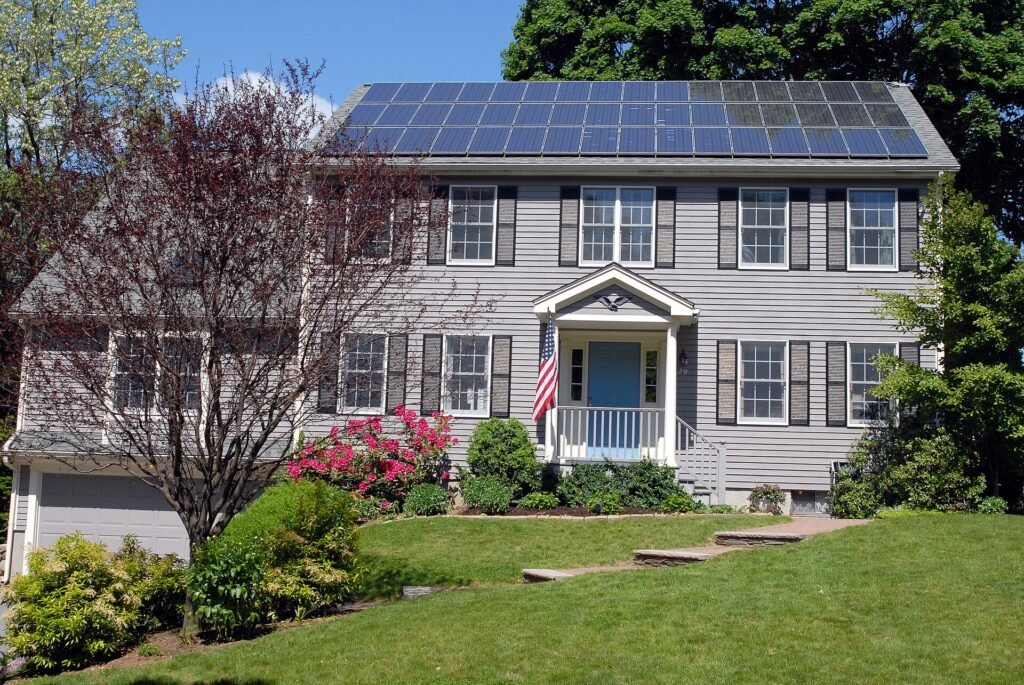
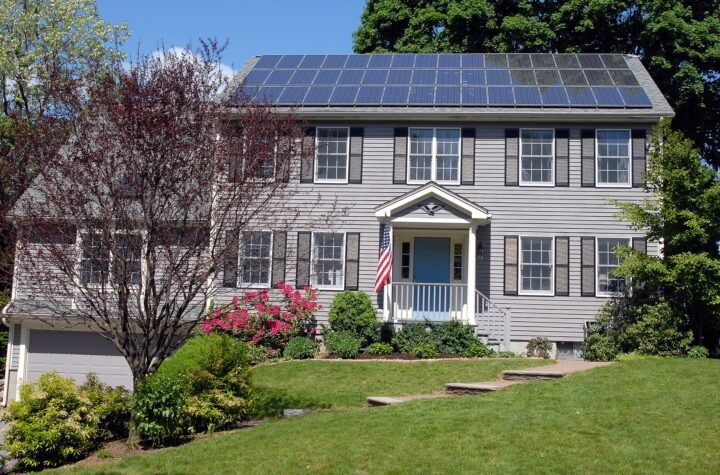
Photo: Gray Watson, Wikimedia Commons, CC BY-SA 3.0
Imagine growing tomatoes in your backyard, selling them to the grocery store for a nickel apiece, and then buying them back at that same store for 20 cents. Nobody would do that on purpose. Yet that’s roughly the deal a lot of solar homeowners are stuck with every sunny afternoon, and they don’t even notice it happening.
A Washington Post piece published this weekend laid out the math, and the takeaway is simple: the solar owners who come out furthest ahead aren’t the ones who sell the most power back to the utility. They’re the ones who use the most of it themselves. With utilities in several states cutting what they pay for that extra power, this matters more every year.
The nickel-and-dime math behind your meter
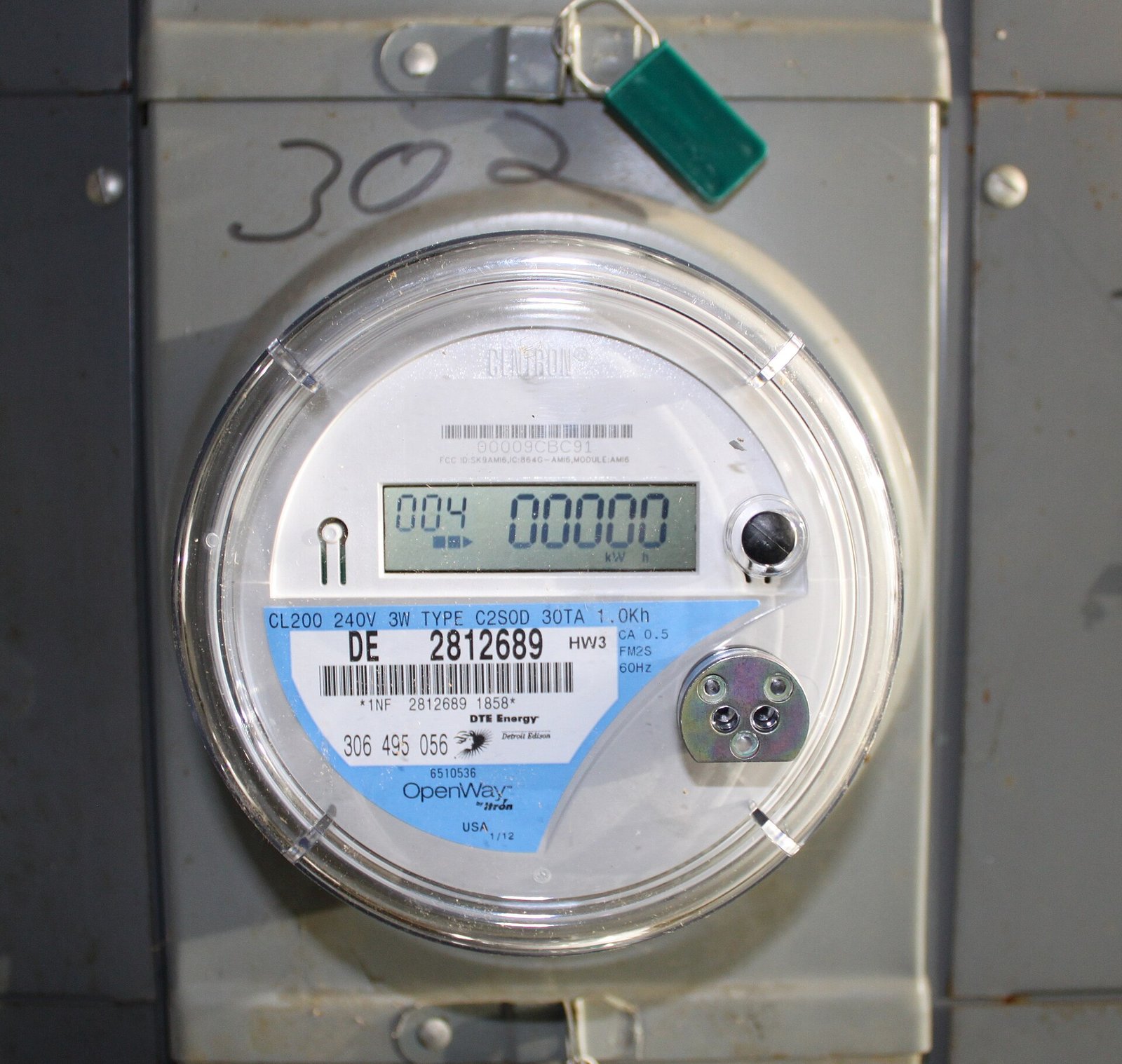
Here’s how it works. Your panels make the most power around midday, which is exactly when most families are at work, at school or anywhere but home. Whatever the house doesn’t use flows back out to the grid. The catch, as the Post explains, is that the utility might pay you a lot less for that power than it charges you when you buy electricity back at night.
The article walks through an example. If you pay 20 cents per kilowatt-hour for electricity but the utility only pays 5 cents for your extra solar, you’re losing that trade badly. Use that same kilowatt-hour to charge your electric car instead, and you get about 15 cents more value out of it. “The less your utility pays you for exported solar, the more it’s worth to keep that energy and put it in your car,” Alexis Abramson, dean of Columbia University’s Climate School, told the paper.
That extra value adds up. Jesslyn Pei, a former infrastructure investment professional quoted in the piece, estimated that a $24,000 solar system could pay for itself in about 10 years if the homeowner uses the power to charge an EV at home, assuming favorable conditions. Solar on its own, she said, might take 13 to 14 years. “The more use cases for utilization, the shorter the payback period,” Pei said. Shaving three or four years off the payoff is like getting a few years of free electricity just for paying attention to when you use it.
Utilities keep shrinking the buyback check
If selling power back paid well, none of this would matter much. It increasingly doesn’t, and it’s heading the wrong direction in a few big markets.
- Arizona: In August, regulators cut the solar export rate for APS and UniSource Energy Services customers by 10%, to 5.5 cents per kilowatt-hour, according to pv magazine USA. State rules cap each cut at 10% a year, but cuts since 2018 have lowered the rate by 56.9%, from 12.9 cents.
- Orlando, Florida: The Orlando Utilities Commission’s new TruNet Solar plan drops what it pays for extra rooftop solar from about 11 cents per kilowatt-hour to around 4 cents, Central Florida Public Media reported. Homeowners who applied before June 30, 2025 keep the 11-cent rate, but new solar owners get the lower one.
- California: State regulators say what homeowners get paid for extra solar under the state’s newer billing system is generally lower than retail electricity rates, the Post noted.
Even OUC’s own vice president of customer experience, Jenise Osani, made the same point the Post did: customers can still save by using the electricity their panels generate and storing the extra in batteries for later. When the utility itself tells you to keep your own power, it’s worth listening.
How to keep more of your own sunshine
You don’t need a fancy energy management degree for this. You just need to move some of your electricity use into the sunny part of the day. Here are the easiest wins:
- Charge the car while the sun is up. If your EV sits at home during the day, plug it in then instead of at midnight. The Post notes that, according to the Department of Energy, some EVs can add two to five miles of range per hour on an ordinary household outlet, and the DOE’s home charging guide says many drivers cover their daily miles with that basic Level 1 cord, as long as there’s an outlet on a dedicated circuit nearby.
- Run the big chores at lunchtime. Dishwasher, washing machine and dryer are some of the hungriest things in the house. Most have a delay-start button. Set them to finish in the afternoon instead of overnight.
- Pre-cool or pre-heat the house. Let the AC or heat pump work a little harder in the afternoon so it can coast through the evening, when you’re buying power from the grid again.
- Put an electric water heater on a timer. A tank of hot water is basically a battery you can shower with.
- Store it for later. A home battery soaks up the extra during the day and hands it back after sunset or during an outage. They aren’t cheap, so run the numbers first. Our looks at EG4’s new 60 kWh XR 60 and Tesla’s Powerwall charging any EV cover two very different ends of that market.
If you’re pricing out panels or batteries to soak up more of your own power, Santan Solar is where I’d start shopping for new and used solar gear.
Before you call an installer
Going electric isn’t automatically a smart money move, and the Post was honest about that too. Abramson cautioned that a shaded roof, an aging roof that will need replacing soon, or really low local electricity prices can turn solar into a poor investment. Financing costs can also quietly eat the savings. Her advice is to run the numbers with a local installer, including the cost of the loan and any state or local incentives, before you sign anything.
Also think about how long you’ll stay in the house. A 10-year payoff is great if you’re planning to retire there and a lot less great if you’re moving in three years. And the order matters: you don’t have to buy panels and an EV in the same month. Start with what you have and shift your habits first.
Renting? You’re not shut out. Abramson says community solar subscriptions can cut electricity bills by 5% to 15%, with potentially more for qualifying low-income households. Plug-in balcony solar is another option the Post mentioned, and our guide to solar you plug into a wall outlet covers which states allow it and what it can realistically save.
Why it matters to you
Census data released last month show 7% of owner-occupied homes have solar panels and 6.4% of homeowner households have an EV or plug-in hybrid, compared with 2.8% and 3.6% for renters, according to the Post and Axios. If you’re one of those solar homeowners, the way your utility pays you has probably already changed or will soon. The power you sell back is worth less every time regulators trim the rate, but the power you use yourself is still worth the full retail price you’d otherwise pay.
That means the cheapest upgrade most solar owners can make this week costs nothing: check your bill for your export rate, then move a few chores into the afternoon. The sun doesn’t send an invoice, so you might as well be home to cash the check.
What I’d grab
You can do all of this with delay-start buttons and good habits. But if you want to actually see where your power is going, these two make it easy:
- Emporia Vue 3 home energy monitor: clamps onto the wires in your breaker panel and shows, in real time, how much your home is using and how much your solar is making, so you can see exactly when you’re exporting power for pennies.
- Kasa Smart Plug Mini with energy monitoring (KP115): plug a dehumidifier, window AC or other plug-in appliance into it, see what it actually draws, and switch it on from your phone while the sun is doing the work.
As an Amazon Associate I earn from qualifying purchases.
The bottom line
Selling your solar power for a nickel and buying it back for 20 cents is a lousy business model. Use more of what your panels make while the sun is up, and your system pays for itself sooner. If you’ve got a question about your own setup, send it through our Contact Us page.
Want to see how my own solar setup has paid off so far, warts and all? Come hang out on my YouTube channel.
Sources
- The Washington Post: Why homeowners who go electric have a secret advantage (Nov. 14, 2026)
- pv magazine USA: Arizona election results open new opportunities for affordable clean energy (Nov. 10, 2026)
- Central Florida Public Media: OUC PeakShift plan changes power bills and solar credits (Nov. 4, 2026)
- Axios: The electric-car revolution has a driveway divide (Oct. 31, 2026)
- U.S. Department of Energy, Alternative Fuels Data Center: Charging electric vehicles at home





More Stories
Solar You Plug Into a Wall Outlet Is Now Legal in 10 States. Here’s What It Can (and Can’t) Do for Your Bill
EG4 Just Launched a 60 kWh Home Battery in One Box. Here’s Who It Actually Makes Sense For
Heating Bills Are Jumping 7% This Winter. Here’s How to Shrink Yours Without Freezing