
The EG4 XR 60 is one big outdoor box: battery, inverter and controls in a single 1,584-pound unit. Image: EG4 Electronics press release via GlobeNewswire (rendering).
Most home batteries are sold like phone storage: a little bit at a time, with upgrades that cost more than you’d like. Today, EG4 Electronics went the other direction and basically showed up with a moving truck. The Texas company just launched the EG4 XR 60, a single outdoor box that holds 60 kilowatt-hours (kWh) of battery storage plus the inverter and controls that run it, starting at $20,499.
That’s a big number in both directions. Sixty kWh is a lot of electricity for one box, and $20,499 is a lot of money for one box. So let’s skip the hype and figure out what this thing actually is, who it makes sense for, and what to check before you even think about a quote. Full disclosure up front: I run EG4 gear at home, and EG4 doesn’t pay me for this post.
What EG4 announced today
According to EG4’s November 12 press release and its XR 60 product page, here’s what you get:
- 60 kWh of usable battery using LG lithium iron phosphate (LFP) cells, which EG4 says are rated for 10,000 cycles.
- A built-in hybrid inverter, the part that turns battery power into normal household electricity. It’s rated for 15 kW continuous from the battery alone, or 18 kW when solar is helping.
- Room for up to 26 kW of solar panels and a hookup for a backup generator.
- Built-in backup switching, so when the grid goes down, the house flips over to battery power on its own.
- An outdoor-rated cabinet (NEMA 3R) that EG4 lists for operation from -13°F to 104°F.
- A 15-year warranty covering up to 272 megawatt-hours of throughput.
- A price starting at $20,499, which works out to about $342 per usable kWh. EG4 says it’s available starting today through authorized distributors, and final pricing is up to each seller.
One detail the brochure photos don’t shout about: it weighs 1,584 pounds. This isn’t a battery you hang on the garage wall next to the rakes. It sits on a prepared pad outside, more like an air conditioner or a standby generator. Signature Solar, an authorized seller and sister company under EG4’s parent, Energy Access Innovations, says it ships on a rollable frame by flatbed.
How much is 60 kWh, in real life?
Think of kWh as gallons in a gas tank. Your electric bill tells you how many “gallons” you burn. According to the U.S. Energy Information Administration, the average American home bought about 10,791 kWh of electricity in 2022, or roughly 899 kWh a month. That’s about 30 kWh a day.
So for an average home living normally, 60 kWh is about two days of power, which matches what EG4 itself claims. If the power goes out and you switch to “essentials only” (fridge, freezer, lights, internet, furnace fan, maybe a well pump), that same tank can stretch a lot further. Add solar panels that refill it every sunny day, and an outage becomes more of an inconvenience than an emergency.
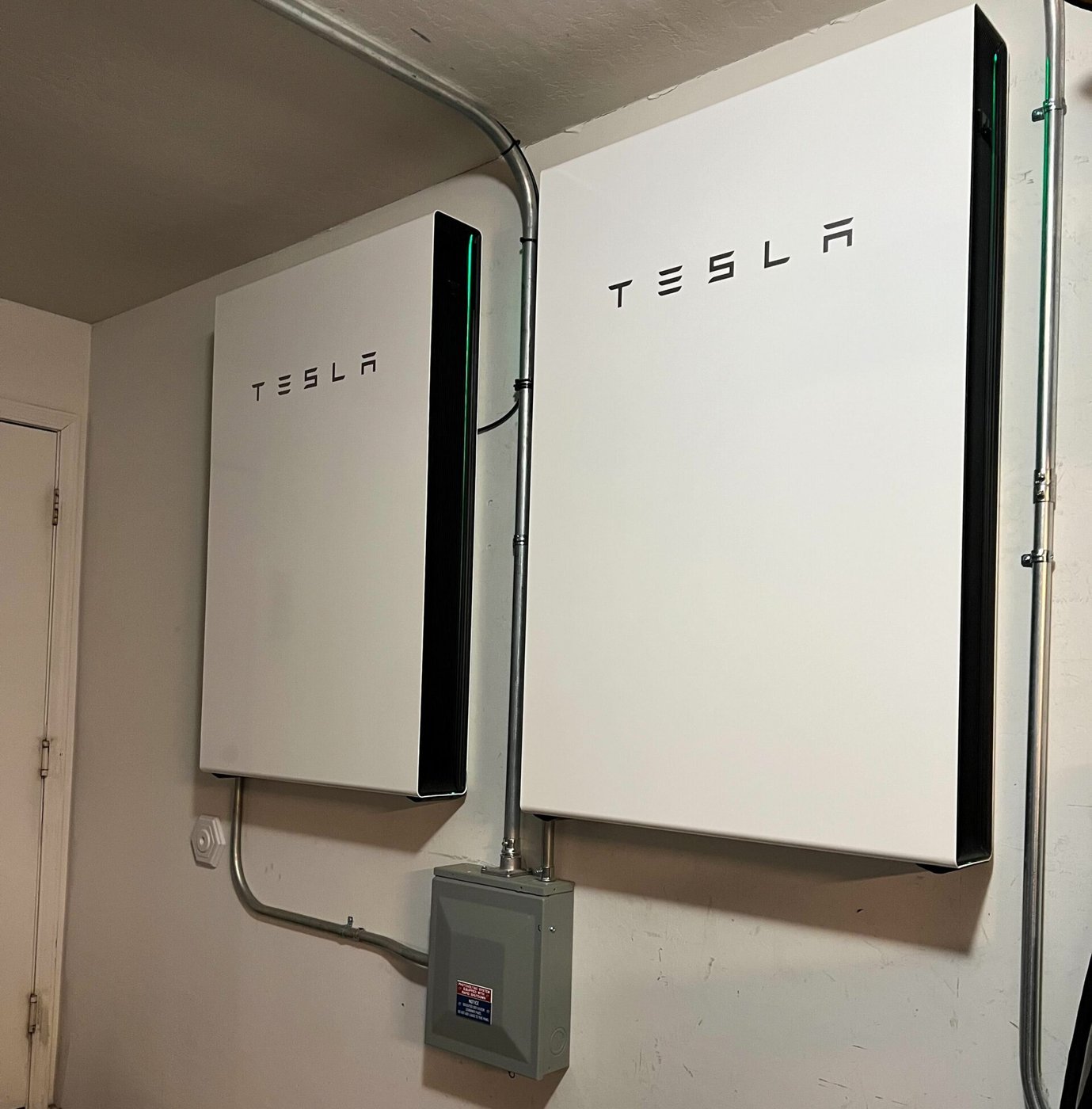
For comparison, one Tesla Powerwall stores 13.5 kWh. EG4 founder James Showalter pitched the XR 60 earlier this year as “4.5X Powerwall capacity for 2x Powerwall cost,” according to posts shared on the DIY Solar Forum when the system was first shown off at Intersolar.
Is it actually cheaper? The honest version
EG4’s headline claim is that the XR 60 costs nearly 40% less per kWh than comparable systems. Its math, in the fine print of the press release: $342 per usable kWh for the XR 60 versus an average of $561 per kWh for roughly 60 kWh setups built from Tesla Powerwall 3, FranklinWH, Enphase and Sol-Ark with Renon batteries, using online equipment prices EG4 checked on October 23.
Two important asterisks. First, that’s EG4’s own comparison, and competitor prices move around. Second, it’s equipment only. It doesn’t include installation, the concrete pad, permits, electrical upgrades, or delivery. On a 1,584-pound box, those extras are real money.
The “fewer boxes” argument is legit, though. EG4’s product page counts it out: about 60 kWh from Tesla takes two Powerwall 3 units, three expansion packs and a gateway (six pieces). Enphase takes eight. The XR 60 is one pre-wired unit, plus an optional EG4 GridBOSS. Fewer boxes usually means less wiring, less wall space, and fewer things to troubleshoot later.
The tax credit catch nobody mentions in the ads
Here’s the part that stings. Until last year, homeowners could knock 30% off a home battery with the federal Residential Clean Energy Credit. According to the IRS, that credit is not available for property placed in service after December 31, 2025. If you buy an XR 60 outright in 2026, plan on no federal tax credit.
That’s why you’ll see EG4 talk about the XR 60 being “domestic content eligible” with paperwork for leases and power purchase agreements. In those setups, a company owns the battery at your house and can claim a business tax credit, and you pay them monthly. If a salesperson tells you that you personally get a 30% credit on a leased system, slow down and ask them to show you in writing. Some states and utilities still offer their own battery rebates, so it’s worth searching your utility’s website before you buy.
Who the XR 60 makes sense for (and who should skip it)
EG4 says it designed the XR 60 for “homes with high energy demands, rural properties, farms, ranches and small businesses.” That lines up with the math. It’s a strong fit if you:
- Live somewhere with long or frequent outages, especially rural areas at the end of the power line.
- Have big electric loads that a small battery can’t handle, like a well pump, electric heat, a shop, or two air conditioners. EG4 lists a peak surge of 20 to 24 kW for 10 seconds for motor startups.
- Already have solar, or plan to add a lot of it, and want to use your own power at night instead of selling it back cheap.
- Pay time-of-use rates, where power costs more in the evening. A battery can fill up when power is cheap and run the house when it’s expensive.
- Want to join a utility “virtual power plant” program, where the utility pays you to borrow battery power during peak demand. EG4 says the XR 60 is built for 3 to 4 hour programs, but availability depends entirely on your utility.
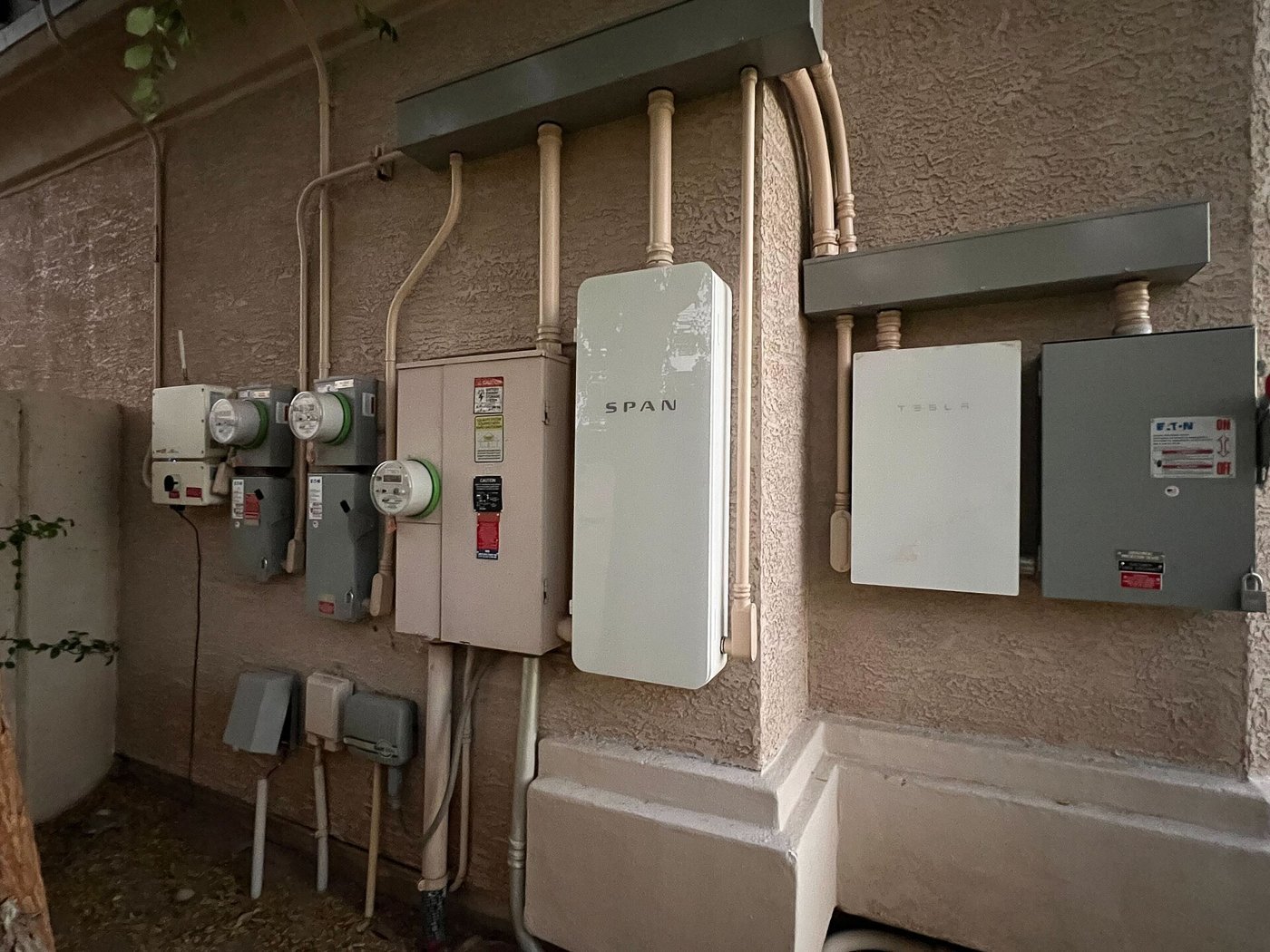
It’s probably overkill if you live in an apartment, use less than 20 kWh a day, rarely lose power, or mostly want to keep the fridge and Wi-Fi alive for a few hours. For that, a portable power station or a smaller battery is a fraction of the price. A Powerwall-sized battery or a DIY rack battery might also be the better fit if you only want to back up a few circuits.
What to do before you get a quote
- Find your daily number. Grab your last 12 electric bills (or log into your utility account) and look for kWh used per month. Divide by 30. That’s your daily use. Note your highest winter and summer months, since those are the ones that test a battery.
- Make an essentials list. Decide what absolutely has to run in an outage. A plug-in energy meter or a whole-home energy monitor tells you exactly what each item uses, so you aren’t guessing.
- Check your space. You need a flat, prepared spot outside that a flatbed truck can reach, with room for the installer to work. EG4’s spec sheet lists the cabinet at roughly 98 inches front to back, 38.5 inches wide and 21 inches tall.
- Call your utility and city first. Ask what’s required for a home battery permit and grid connection (“interconnection”). EG4’s own fine print says you should confirm permitting, inspection and utility requirements before you buy.
- Use a licensed installer. EG4 says it should be installed by a qualified installer, licensed where required, and its warranty doesn’t cover damage from improper installation. If you’re a DIYer, plan on a licensed electrician at minimum. Signature Solar says its pro-install service currently covers California, Utah, Texas and Missouri.
- Get at least two quotes, and ask each installer for the total price including the pad, permits, delivery and any electrical panel upgrades. That’s the only number that matters.
And whatever battery you choose, the basics from my solar and battery fire safety checklist still apply: proper wiring, proper fusing, and an inspector who actually looks at it.
Why it matters to you
For years, whole-home battery backup has been a luxury item: lots of boxes, lots of labor, and a price tag that made most people shrug and buy a generator. A 60 kWh system at about $342 per kWh (before installation) is a real shift, and it’s coming from a company that built its name selling to DIYers, not just high-end installers.
It also matters because electricity isn’t getting cheaper. As I wrote yesterday, heating bills are expected to jump about 7% this winter, and winter storms keep reminding us how fragile the grid can be. A big battery won’t make sense for everyone, but for rural families, people with medical equipment, or anyone tired of losing a freezer full of food every ice storm, this is the first all-in-one system I’ve seen that gets close to “I could actually afford that” territory.
Just remember: the best battery is the one sized to your home. Do the homework above before you let anyone sell you a number. If you’re not ready for a $20,000 box, my no-drama winter outage prep guide covers cheaper ways to stay safe and warm.
What I’d grab
Whether you end up buying an XR 60, a smaller battery, or nothing at all, these help you make a smart decision with real numbers instead of a salesperson’s guess:
- Emporia Vue 3 Home Energy Monitor with 16 circuit sensors: clamps inside your breaker panel (have an electrician install it if you’re not comfortable there) and shows what your whole house and each big circuit use, which is exactly the data you need to size any home battery.
- P3 Kill A Watt P4400 electricity usage monitor: plug your fridge, freezer, or CPAP into it for a day to see how many kWh it really uses, so your outage essentials list is based on facts.
- Jackery Explorer 1000 v2 portable power station: if 60 kWh is way more than you need, a portable LFP power station can keep the fridge, phones, and Wi-Fi going through a short outage for a tiny fraction of the cost.
As an Amazon Associate I earn from qualifying purchases.
If you do want to price out the XR 60 itself, Signature Solar’s XR 60 page (affiliate link) has the specs, delivery options and a pro-install request form.
The bottom line
The EG4 XR 60 is a giant, all-in-one home battery that puts whole-home backup within reach for more households, especially rural ones. It’s not cheap, it’s not light, and the federal tax credit is gone for buyers. But if your daily usage, outage history, and budget line up, it’s one of the most practical big-battery options to come along. Measure first, quote second, buy third.
Thinking about a big home battery and have questions? Send them my way through the Contact Us page, and I might answer them in a future post.
Want more solar and home-power tips in under a minute? Check out my YouTube channel.
Sources
- EG4 Electronics via GlobeNewswire: EG4 Introduces XR 60 Integrated Energy Storage System (Nov. 12, 2026)
- EG4 Electronics: XR 60 All-in-One Energy Storage System product page and specifications
- Signature Solar: XR60 for Homeowners (delivery and install details)
- DIY Solar Forum: EG4 XR60 discussion thread
- Clean Power Hour podcast #352: Can Homeowners Finally Afford Whole Home Backup? (Energy Access Innovations interview)
- U.S. Energy Information Administration: How much electricity does an American home use?
- IRS: Residential Clean Energy Credit





More Stories
Heating Bills Are Jumping 7% This Winter. Here’s How to Shrink Yours Without Freezing
Solar Panels Rarely Start the Fire. The Wiring Behind Them Does. Here’s Your Home Safety Check
Tesla’s Home Battery Will Now Charge Your Non-Tesla EV on Sunshine