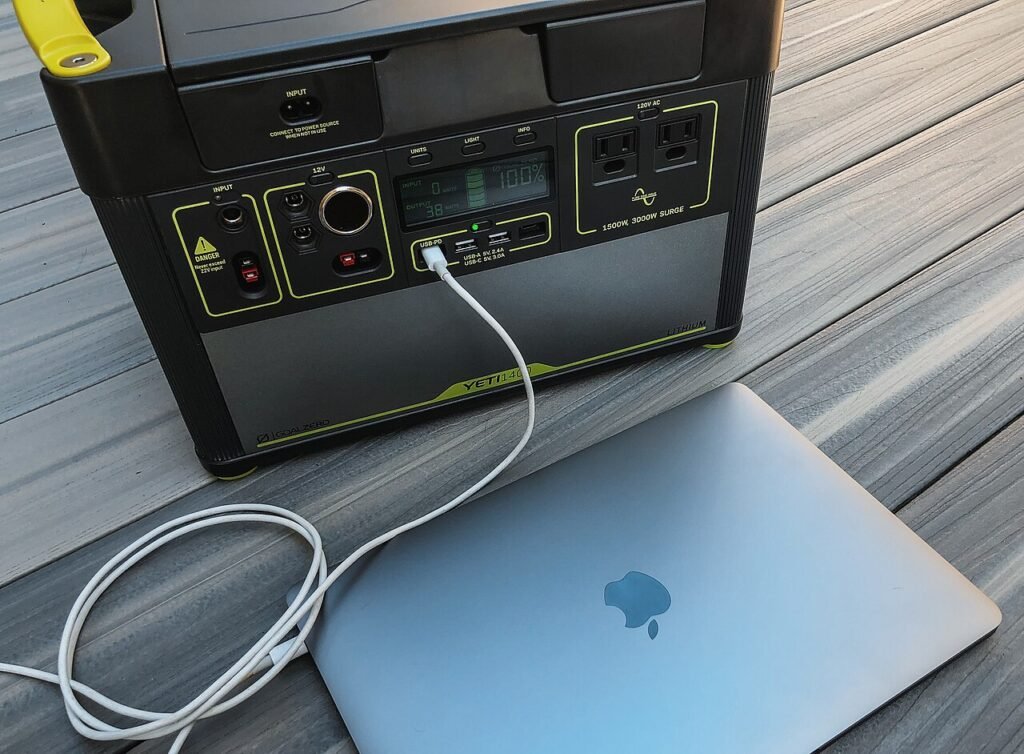
Photo: Tony Webster, Wikimedia Commons, CC BY-SA 2.0
For years, the deal for renters has been simple: you pay the electric bill, the landlord owns the roof, and solar panels are something that happens to other people. Now a battery about the size of a picnic cooler is changing that, and the hardest part of signing up is apparently getting your cat off of it.
On Nov. 16, portable power station maker Jackery and New York startup Every Electric announced they’re teaming up to grow what they call North America’s first plug-in battery virtual power plant, built for renters and apartment dwellers, according to the companies’ announcement and North American Clean Energy. You plug a battery into the wall, plug your window air conditioner into the battery, and the power company pays you for the trouble. They’re showing it off this week at the RE+ clean energy show in Las Vegas, which runs Nov. 17 to 19.

Wait, a power plant in my living room?
Sort of. A virtual power plant is just a big group of small batteries that a computer controls together, so to the utility they act like one power plant. One battery behind your couch doesn’t matter much. A couple thousand of them, all kicking in at the same moment on the hottest afternoon of the year, actually does.
Here’s how Every Electric’s version works, according to its FAQ. The battery charges from the wall when power is cheap and demand is low, usually overnight. When the grid gets slammed, it quietly takes over running your air conditioner. You don’t touch a thing. Your AC stays as cold as you like. The only difference is where the electricity comes from for a few hours.
The money comes from Con Edison’s Smart Usage Rewards program, which pays customers to cut their draw on the grid during peak hours, Canary Media reported. One apartment can’t qualify on its own, so Every Electric bundles everyone together, collects the payment and splits it with participants.
What people are actually getting
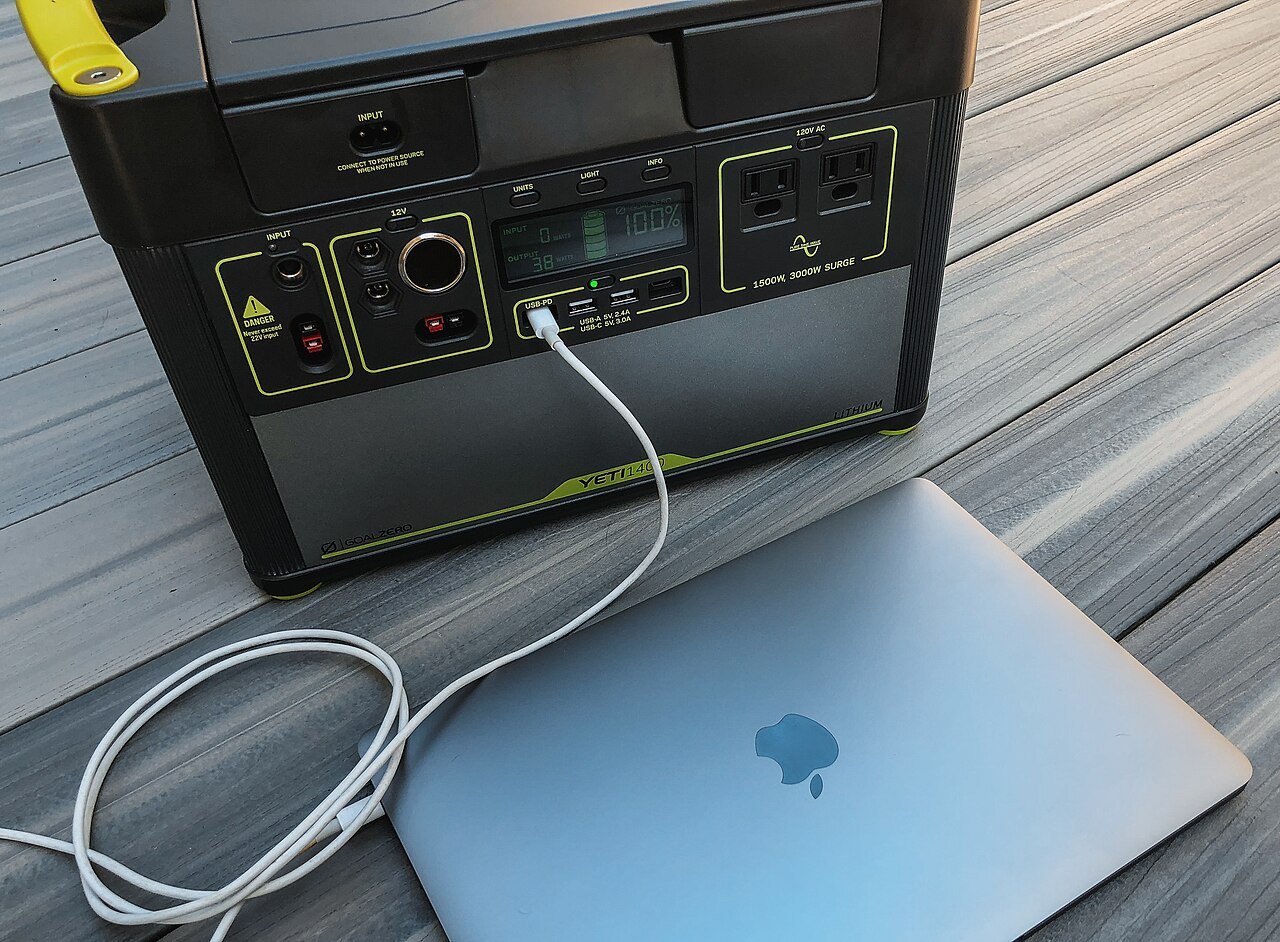
According to the Nov. 16 announcement, the New York program has about 2,000 batteries in more than 1,000 homes, adding up to 4 megawatt-hours of storage. Seasonal payouts are approaching $200,000, and more than 15,000 air conditioners are on the waitlist. Here are the basics from the company’s FAQ:
- The battery is free to use. There’s a refundable $30 deposit for the first 1,000 early-bird signups (normally $50), and you get it back when you return the unit.
- Typical earnings run about $100 per battery a year, with up to $150 per air conditioner. Not life-changing money, but the battery is doing all the work.
- No landlord permission is needed. No drilling, no rewiring. As far as the building is concerned, it’s like plugging in a TV.
- It doubles as backup power. In an outage, the battery can run a typical window unit for about four hours, the company’s CEO told Canary Media, or keep phones and a Wi-Fi router going much longer.
- Who can join right now: New York City households with a Con Edison account, a plug-in air conditioner and home Wi-Fi.
Why air conditioners? On a brutal summer day, window units can make up roughly 20% of New York City’s entire electricity demand, Every Electric CEO Andrew Wang told Canary Media. Shave a slice off that and you take real pressure off the grid without anyone sweating through their sheets.
The fine print nobody puts on the box
Ars Technica’s Jeremy Hsu ran two of these batteries in his own apartment through a summer heat wave and wrote about it. The good news: his air conditioners kept running while the utility was begging people to cut back. The less good news: when Con Edison lowered voltage to protect its equipment during the worst heat, the batteries tripped his apartment’s circuit breaker twice. The company has been updating the battery software to fix that, and Wang admitted that pre-war buildings with old wiring are tricky. The batteries also aren’t featherweights. The FAQ lists them at 40 to 53 pounds. And yes, the cat thing is real: Wang told Ars that household cats love hanging out on the batteries, probably because they run a little warm.
There’s one more trade-off I’d think about. These batteries only work when they’re on your Wi-Fi, because a company has to tell them when to charge and when to take over. That’s the whole point, but it also means a cloud service has a hand on a device in your home. I keep my own solar inverter off Wi-Fi for that reason. For a loaner battery running an air conditioner, the risk is a lot smaller, but it’s worth knowing what you’re signing up for. On the plus side, the batteries use lithium iron phosphate, a chemistry known for staying calm instead of catching fire, and they’re certified to the UL 2743 safety standard for portable power stations.
Also, timing. It’s November. The payouts come on hot summer days, so anyone signing up now is getting in line for next year. Every Electric says it plans to verify air conditioners closer to summer.
Don’t live in New York? Here’s what you can do
This exact program only works in Con Edison’s territory for now, though Every Electric told Ars it’s talking with other utilities and wants more than 10,000 batteries deployed in 2027. In the meantime:
- Ask your utility about demand response. Search your power company’s website for “demand response,” “peak rewards” or “bring your own device.” Many already pay for smart thermostats, and some pay battery owners.
- Check what you already own. If you have a home battery or a hybrid inverter, your installer or brand may have a program. EG4, for example, has been pitching its own Grid Services virtual power plant program to installers, according to its events page.
- Measure before you buy. Find out what your air conditioner, fridge or space heater actually draws before you shop for a battery. Guessing is how people end up with a battery that’s too small or way too expensive.
- Look at plug-in solar. If your state allows it, a small plug-in solar setup can pair with a portable battery, no roof required.
If you do own your roof, the same lesson from our look at solar payback applies here: power you store and use yourself is worth more than power you sell back for pennies. When you’re ready to price panels, Santan Solar is where I’d start.
What I’d grab
You don’t need a program to get the backup half of this deal. These two are where I’d start.
- Jackery Explorer 2000 v2 Portable Power Station (2,042Wh): the same model Every Electric is now shipping to New York apartments. Even if no program near you pays for it, a 2 kWh LiFePO4 battery can run a fridge, a router and a few lights through a typical outage, and it plugs into a regular outlet to recharge.
- P3 P4400 Kill A Watt Electricity Usage Monitor: plug it in between the wall and your window AC, fridge or space heater and it shows exactly how many watts each one pulls. That’s the number you need before you size a battery, and it’s oddly fun to catch the energy hogs in the act.
As an Amazon Associate I earn from qualifying purchases.
The bottom line
For the first time, renters can join the home battery club without a roof, a permit or a landlord’s blessing, and get paid around $100 a year for letting a box behind the couch do the heavy lifting on hot days. It’s only in New York City for now, but programs like this tend to spread once utilities see the numbers. Have a question about batteries, outages or whether your utility has a program like this? Send it our way through the Contact Us page.
Want to see what home batteries and solar look like in real life, mistakes and all? Come hang out on my YouTube channel for honest reviews and how-tos.
Sources
- Jackery and Every Electric: North America’s first plug-in battery virtual power plant for New York apartment residents (GlobeNewswire, Nov. 16, 2026)
- North American Clean Energy: Every Electric Partners with Jackery to Scale Its Plug-In Virtual Power Plant Network (Nov. 16, 2026)
- Every Electric: Frequently asked questions (eligibility, deposit, earnings, safety)
- Ars Technica: This startup pays NYC residents to run air conditioners on free batteries (Oct. 2, 2026)
- Canary Media: Plug-in batteries kept NYC renters cool during record heat wave (July 13, 2026)
- EG4 Electronics: Events and webinars (Grid Services virtual power plant)




More Stories
Selling Your Solar Power Back for Pennies? Using It at Home Can Pay Off the Panels Years Sooner
Solar You Plug Into a Wall Outlet Is Now Legal in 10 States. Here’s What It Can (and Can’t) Do for Your Bill
EG4 Just Launched a 60 kWh Home Battery in One Box. Here’s Who It Actually Makes Sense For